City of Paro-Thimphu © Tino Imsirovic, Bauhaus der Erde gGmbH
Background
Exploring Nature-Based Construction in Bhutan
Bhutan is a landlocked, mountainous country in the Himalayas. It is renowned for its unique development strategy, the Gross National Happiness (GNH), which places equal value on societal well-being and economic growth. This strategy incorporates environmental conservation, cultural preservation and good governance into national policy. Bhutan is a respected advocate of environmental stewardship and low-carbon development, and is one of the few nations to have achieved carbon-negative status. However, it also has one of the fastest rates of urbanisation in the world, placing increased demands on housing and infrastructure in urban areas and on ecosystems alike.
Construction and hydropower are two of the key drivers of the nation’s economy. While access to renewable energy supports Bhutan's carbon-negative status, the ongoing demand in the construction sector and the use of conventional building materials will significantly increase the country’s greenhouse gas emissions in the coming years. Additionally, there is an urgent need to promote economic growth and create safe, skilled employment opportunities for Bhutan's large youth population.
The ReBuilt Project aimed to advance Bhutan's traditional use of natural materials in construction, exploring regional value chains to initiate a transition towards a regenerative construction sector.
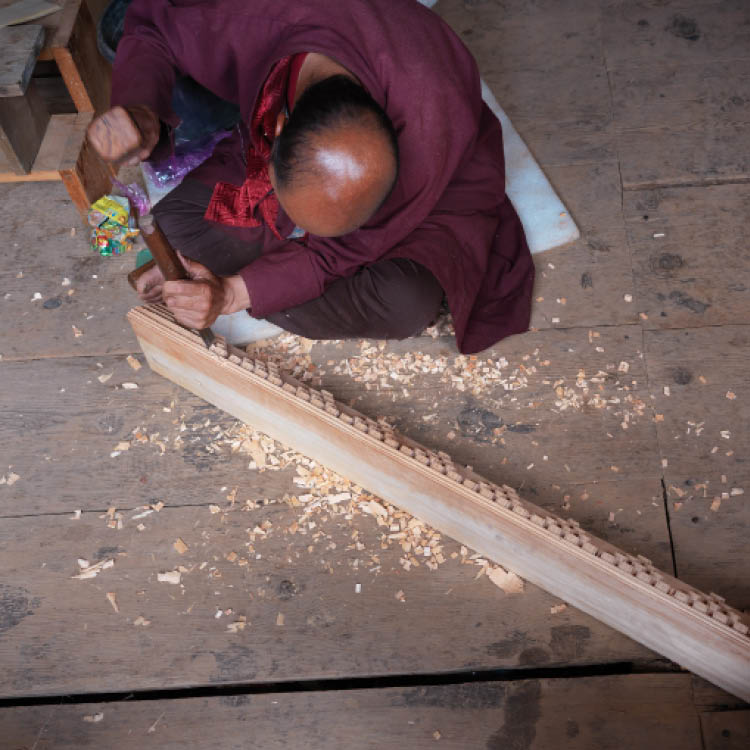
Traditional wood carving © Bas Princen
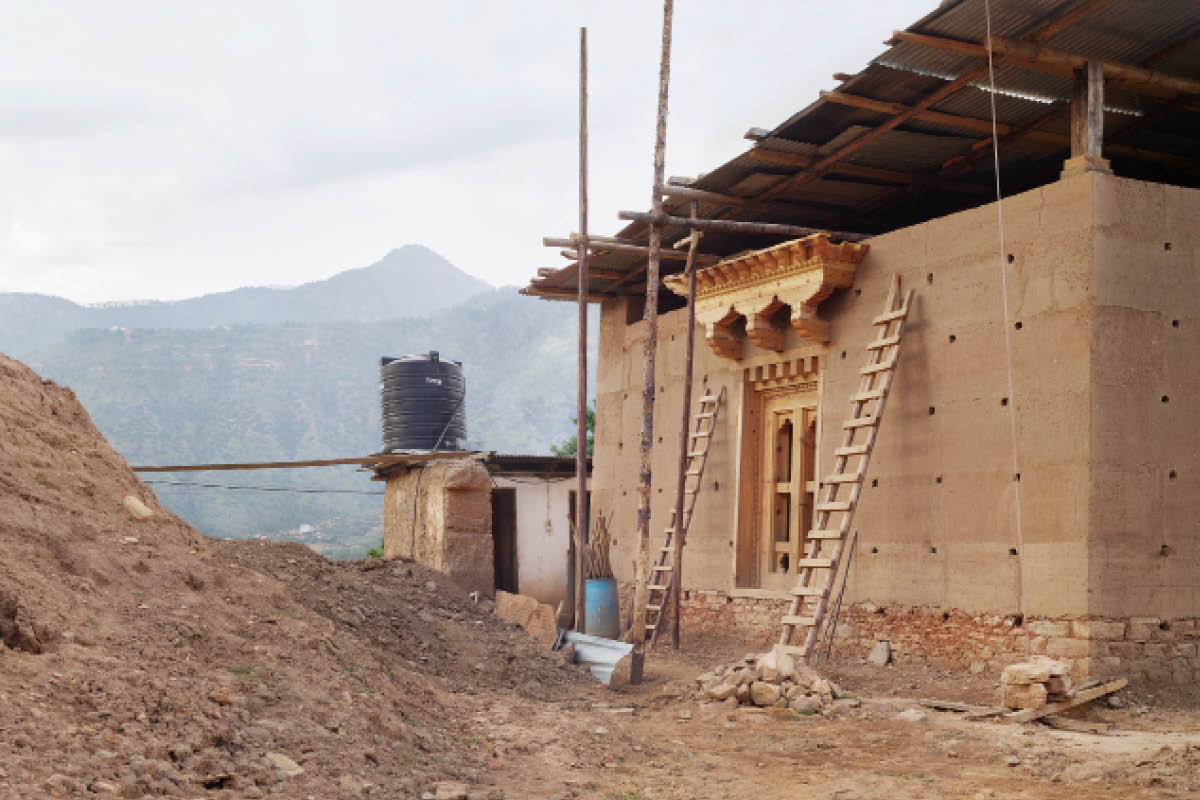
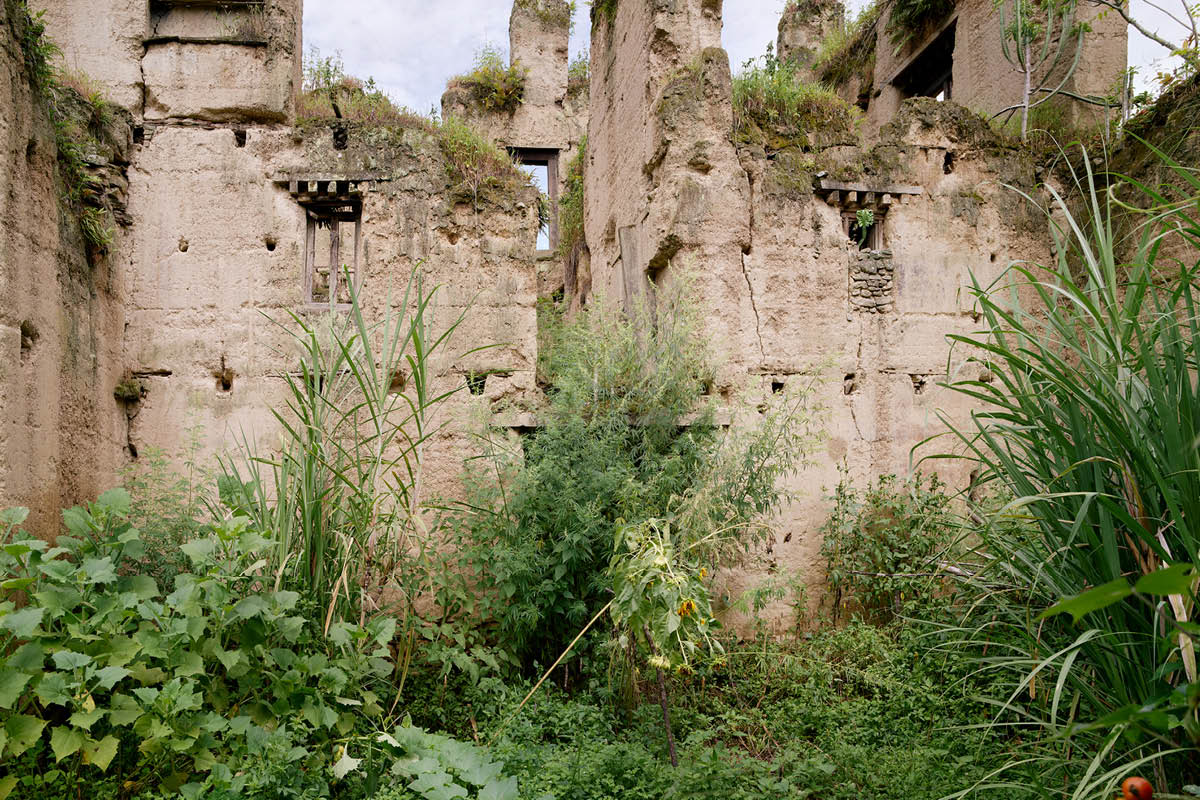
Traditional earth building in Bhutan © Bas Princen
Urbanisation in Thimphu
Coupling Urban Growth and Nature-Based Construction in Bhutan’s Carbon-Negative Future
Over the past two decades, Thimphu, Bhutan’s capital, has experienced significant growth, now representing about 15% of the country's total population. This rapid urbanisation — the fastest in South Asia — has placed increasing pressure on land, housing, infrastructure, and public services. The city's development plan anticipates further growth, with a population increase of tens of thousands expected over the next 25 years, potentially reshaping Thimphu's future.
Bhutan’s architectural landscape reflects a stark contrast between its enduring rural traditions and the rapidly evolving urban construction practices. In rural areas, centuries-old techniques continue to thrive, with builders relying on locally available materials such as rammed earth and timber — craftsmanship honed over generations to suit the local climate and environment. In contrast, urban development increasingly depends on imported materials and migrant labour, often resulting in buildings that perform poorly in Bhutan’s climatic conditions.
© Bas Princen
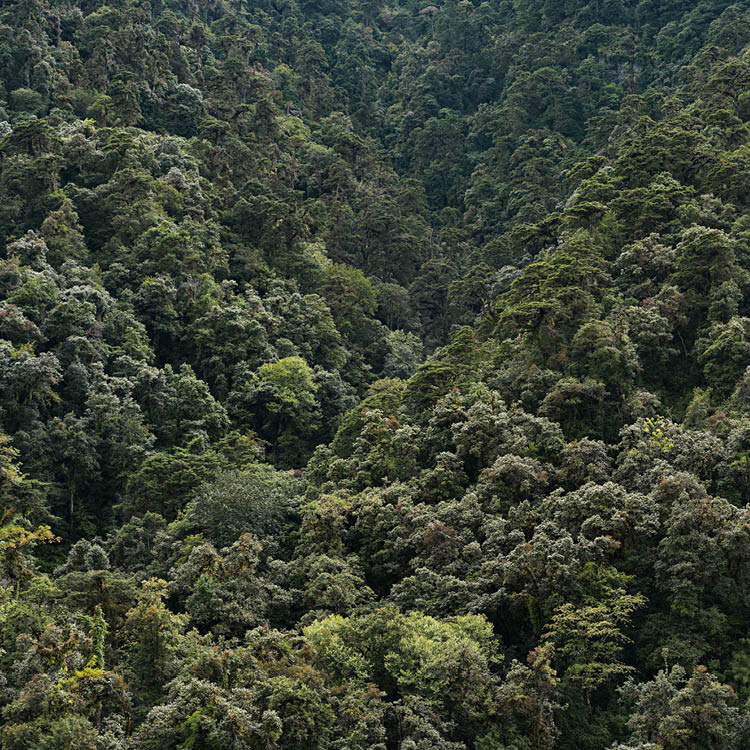
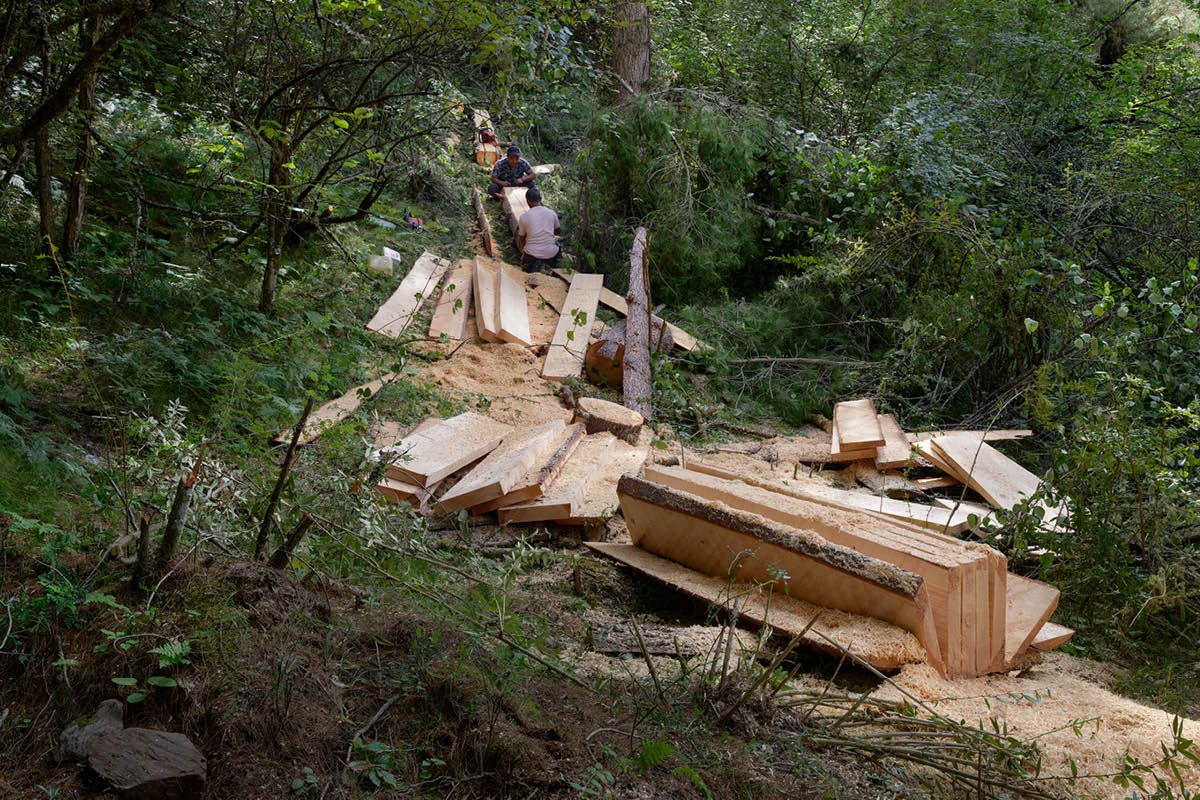
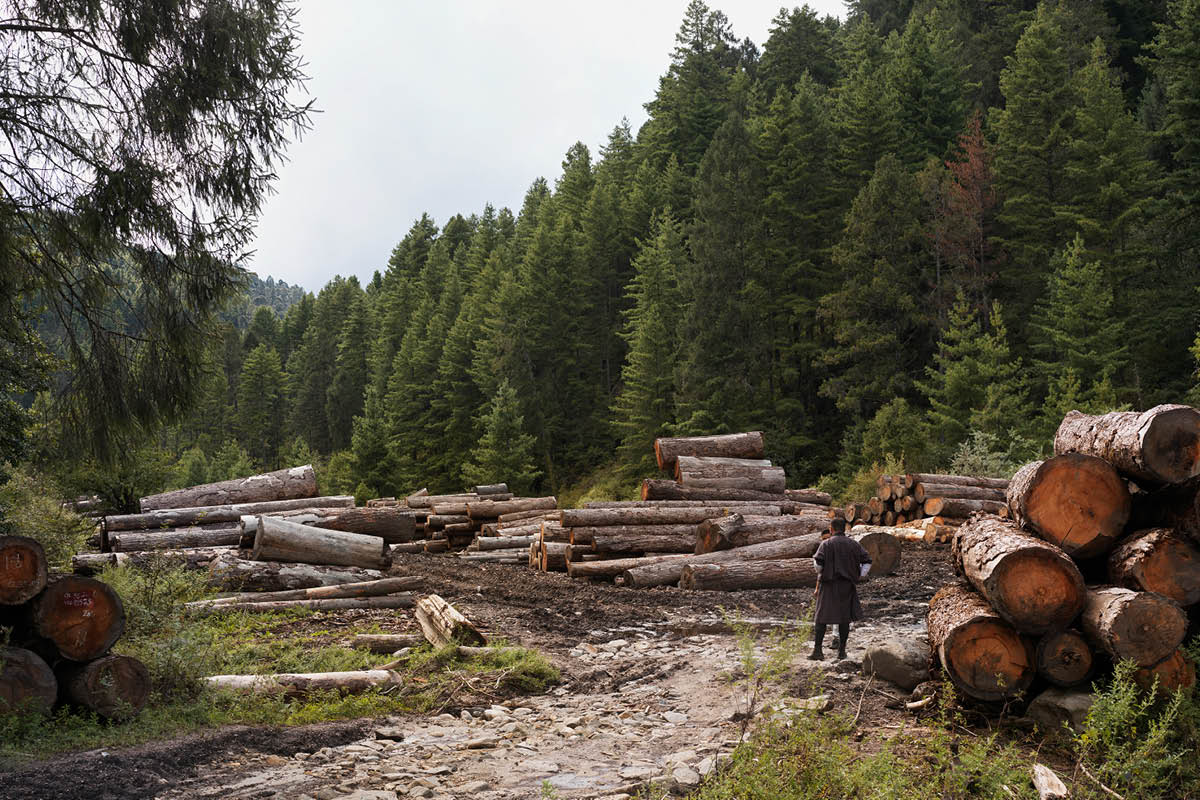
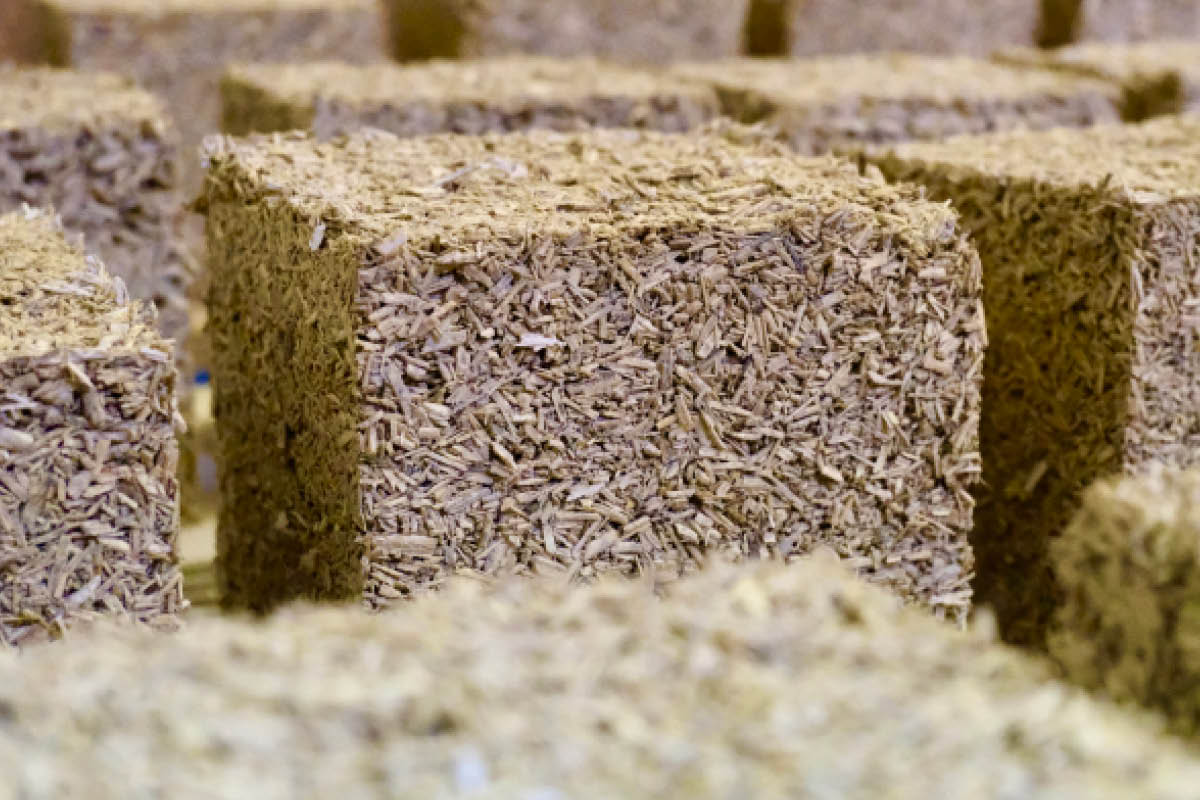
Wood harvesting in Community Forest in Paro-Thimphu, Bhutan © Bas Princen / Hemp-Earth Blocks in Bhutan © Bauhaus Earth

No items found.
Windows of Opportunity
The combination of Bhutan's abundant natural resources, traditional low-carbon building practices and the government's strong commitment to carbon-negative development presents a unique opportunity for regenerative construction. Significant potential exists to use local materials such as timber, bamboo, hemp and earth in dynamic development projects like Gelephu Mindfulness City (GMC) and Thimphu-Paro, reducing reliance on imports, creating green opportunities and lowering carbon emissions.
ReBuilt has addressed these challenges and opportunities in a roadmap providing local changemakers with recommendations for short-, medium- and long-term measures to initiate the transition to a regenerative built environment. Several technical and scientific studies have also assessed how locally available nature-based materials, such as hardwoods and hemp, can be used as building materials, how these materials are perceived socially, and how the transformation approach can be further utilised in Bhutan and beyond.
Team

Arushi Gupta
Researcher

Kéan Koschany
Researcher

Tino Imsirovic
Researcher
No items found.
Bauhaus Earth Alumni
No items found.
Funders & Donors
Partners